





 Empty Cart


Recent Posts
-
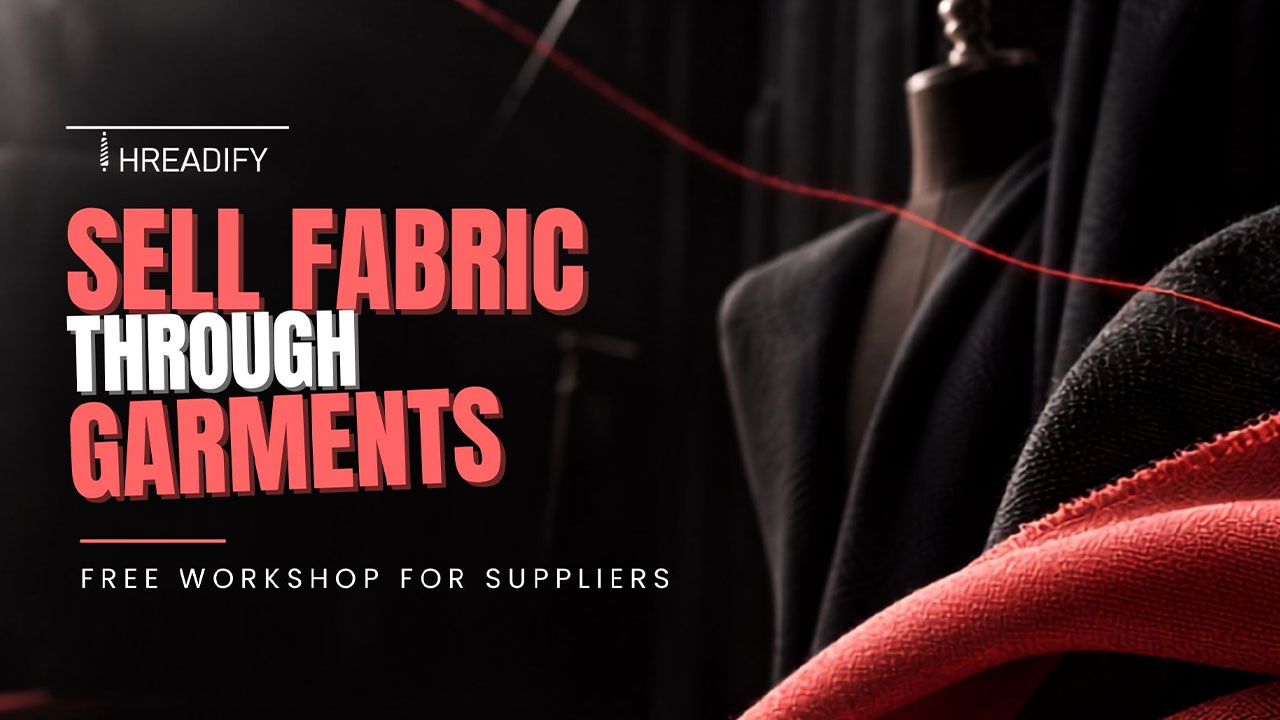 Threadify Presents "Sell Fabric Through Garments" Free Workshop for Suppliers
-
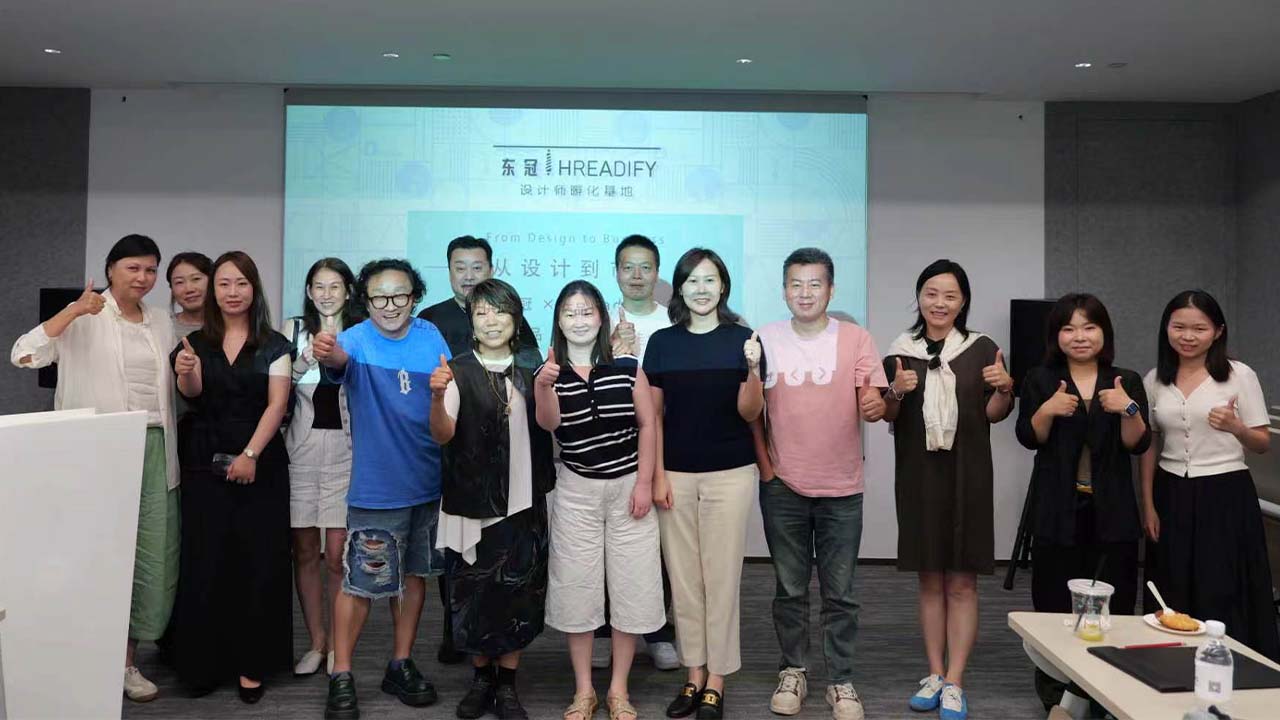 Threadify’s "From Design to Market" Apparel Brand Incubation Program Launched in Collaboration with Dongguan
-
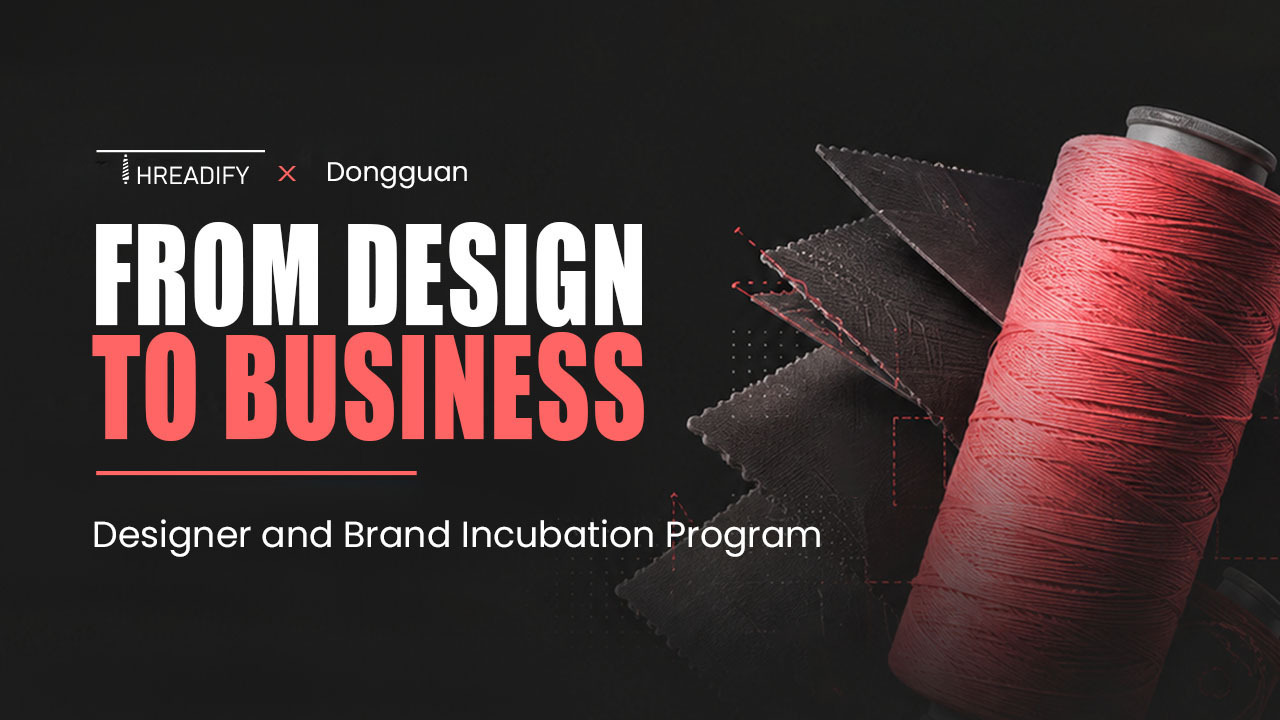 Threadify x Dongguan: A New Apparel Brand Incubator Launches in Hangzhou
-
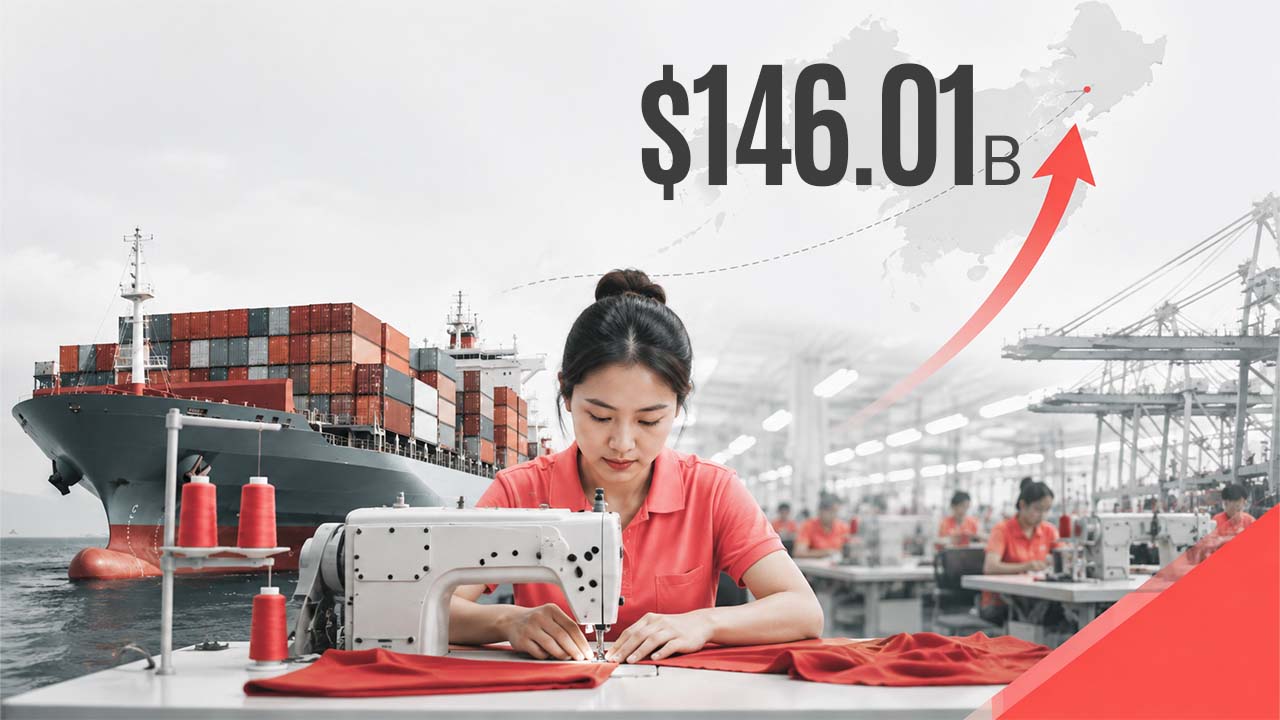 China's Textile and Apparel Exports Reach $146 Billion in H1 2026
-
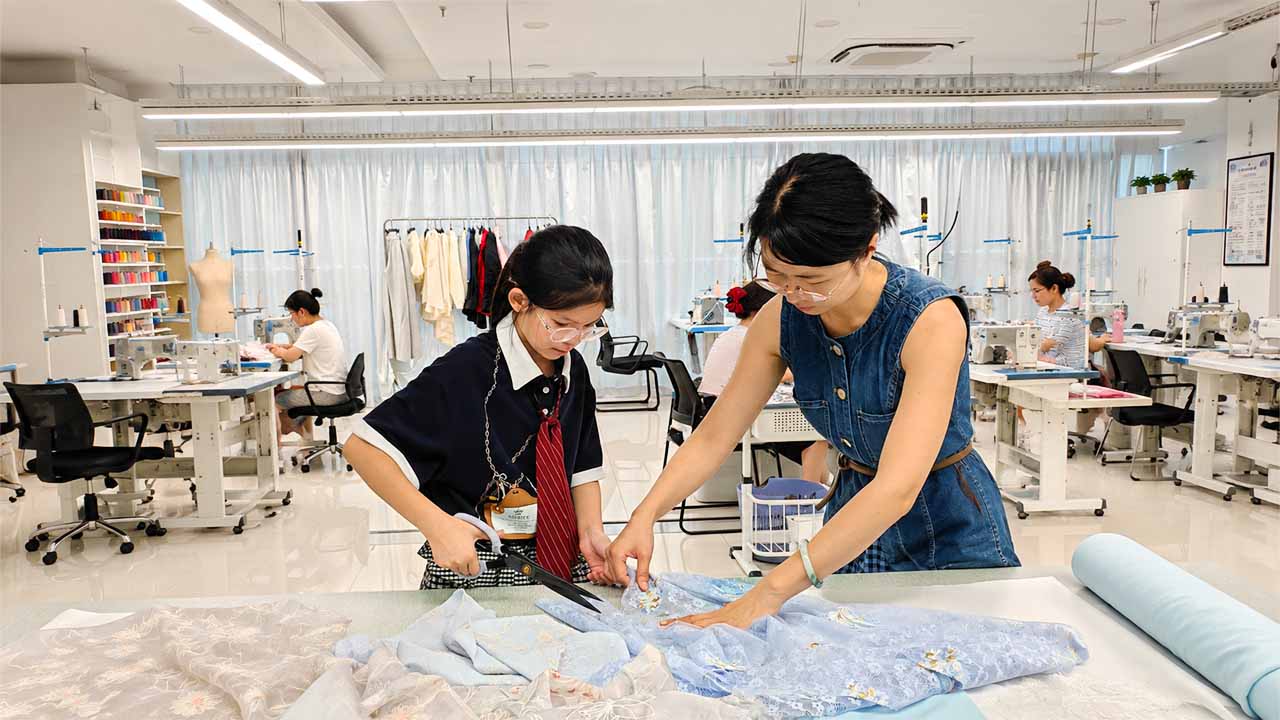 Parent-Child Craft Workshop: Families Create Patchwork Bags at Threadify Fashion Complex
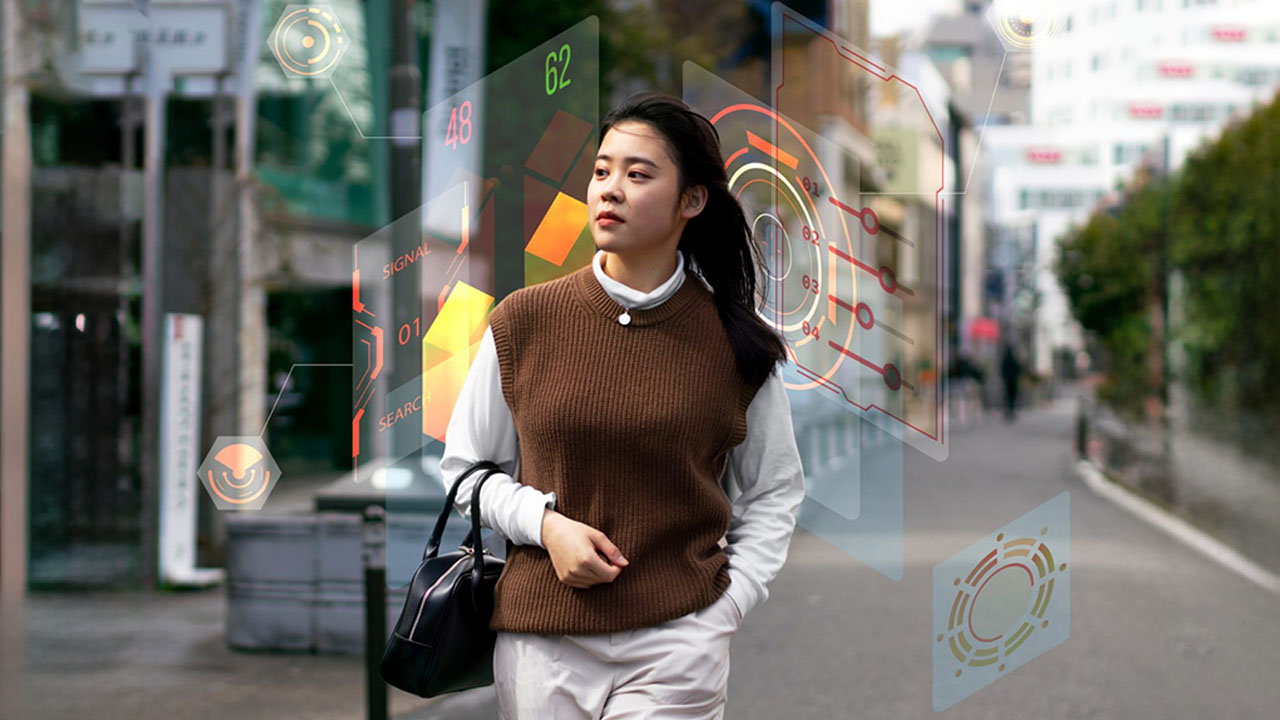
The State of Fashion 2026: Why the Industry Is Rebuilding from the Inside Out
The fashion industry is entering 2026 with a clear message: incremental change is no longer enough. According to The State of Fashion 2026 Report, fashion is being reshaped not by trends alone, but by deeper structural shifts in how products are discovered, how supply chains operate, and how technology supports everyday decision-making. What emerges is a picture of an industry quietly rebuilding itself from the inside out.
Each year, McKinsey & Company and The Business of Fashion release the State of Fashion report, offering a forward-looking view of the challenges and shifts shaping the industry. The 2026 edition portrays a fashion landscape under strain, but one that is still evolving, recalibrating, and pushing ahead.

AI Is No Longer Optional — It’s Essential
One of the report’s strongest signals is the normalization of AI (Artificial Intelligence) across fashion operations. AI is no longer framed as an experimental advantage reserved for innovation team; it is becoming embedded into core workflows.
From intelligent search and recommendation engines to automation across planning, sourcing, and quality control, AI is increasingly the invisible layer helping businesses move faster with greater confidence. The winners won’t necessarily be those using the most advanced tools, but those who integrate technology seamlessly into daily processes reducing manual friction and improving clarity across teams.
In this environment, platforms that feel intuitive, data-rich, and decision-friendly are quietly becoming indispensable.

Supply Chain Are Demands Agility
The report highlights a reality the industry has learned the hard way: disruption is no longer cyclical, it’s constant. Tariff volatility, geopolitical shifts, and logistics constraints are forcing brands and manufacturers to rethink how and where they source.
Instead of chasing the lowest cost, sourcing strategies are evolving toward flexibility, diversification, and transparency. Businesses want visibility across suppliers, the ability to pivot quickly, and fewer hidden dependencies.
This is accelerating a move away from opaque, relationship-heavy sourcing models toward more open ecosystems; where access, comparison, and speed matter as much as long-term contracts.
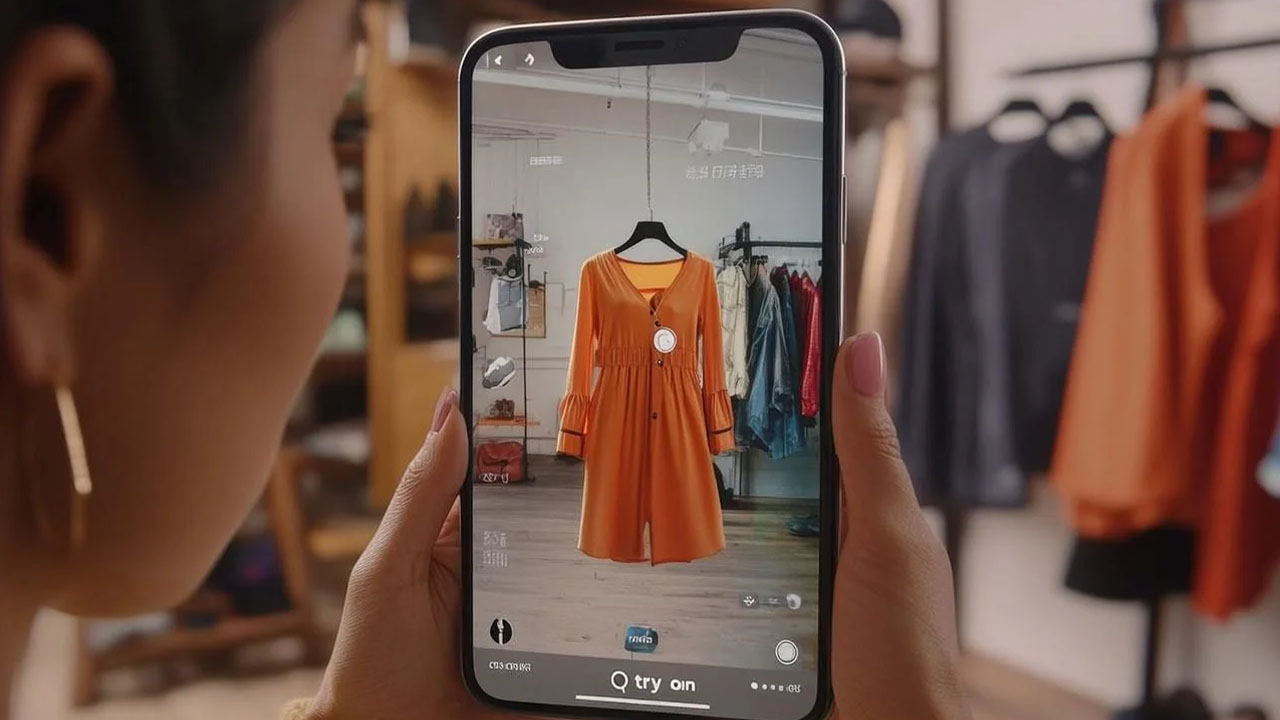
AI-Driven Product Discovery
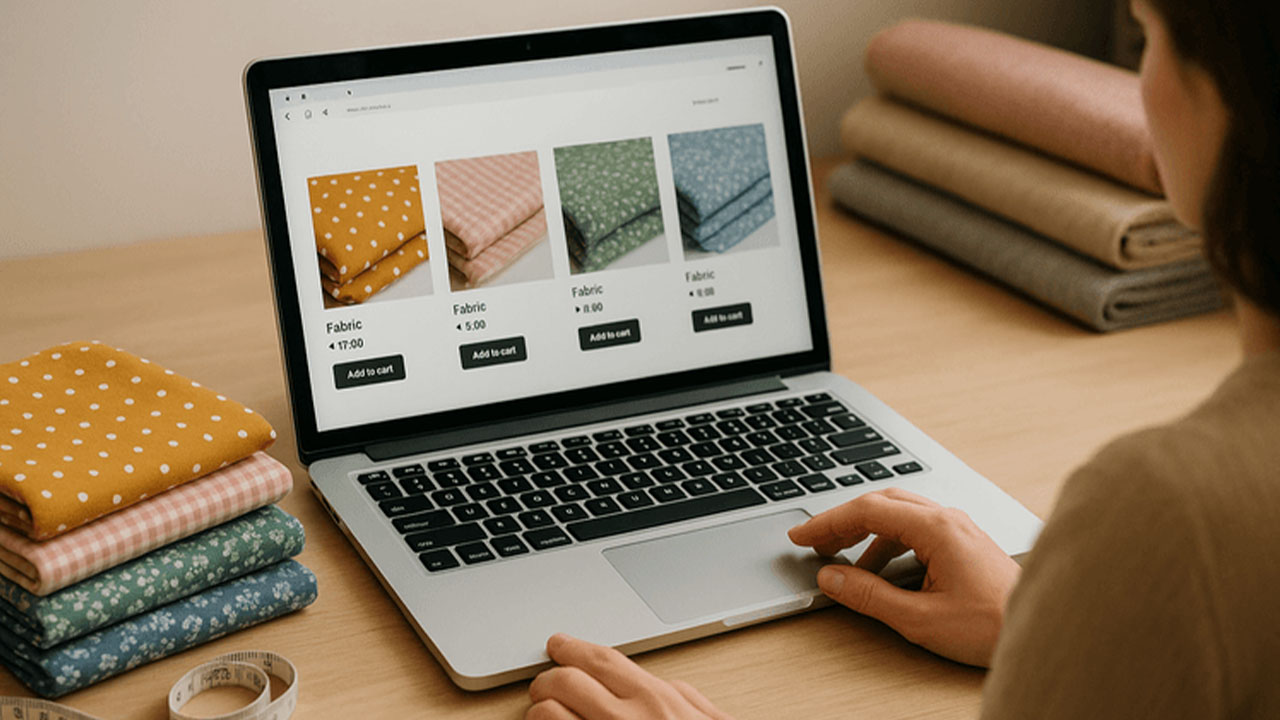
While much attention is given to AI-driven consumer shopping, The State of Fashion 2026 report also hints at a quieter transformation upstream: how designers and sourcing teams discover materials.
Search behavior is changing. Visual exploration, intelligent filtering, and context-aware recommendations are replacing static catalogs and fragmented communication. The expectation is shifting toward discovery experiences that mirror the sophistication of consumer platforms, but are built for professional decision-making.
As a result, digital discovery is no longer a “nice to have” for sourcing; it’s becoming foundational to how collections are built.
The Rise of Mid-Market
Another key insight from the report is the growing strength of the mid-market. Value-driven brands that balance quality, speed, and storytelling are outperforming both entry-level mass players and parts of the traditional luxury segment.
What enables this momentum is access. Be it access to the right materials, reliable partners, and tools that don’t require scale to unlock value. The barriers that once separated large enterprises from smaller, design-led teams are slowly eroding.
In this landscape, infrastructure matters more than size.
Structural Sustainability and Circularity
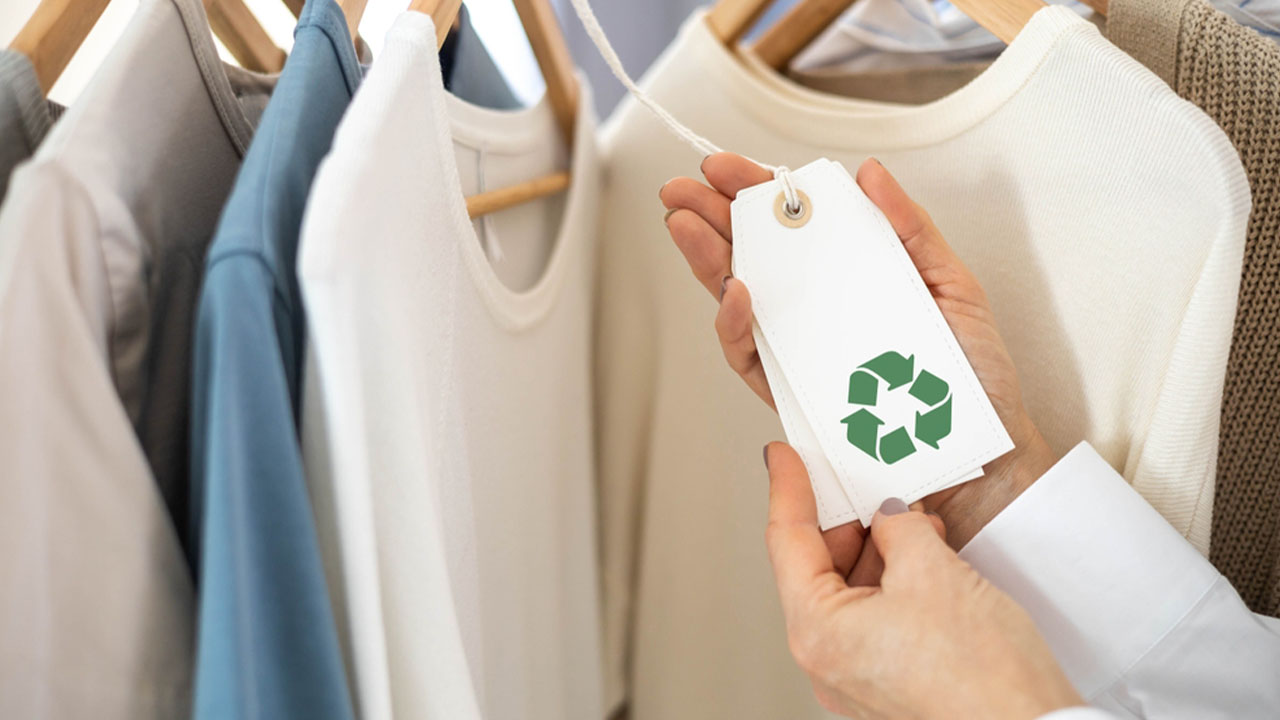
Rather than focusing solely on sustainability claims, the report points to a more pragmatic shift: sustainability is being embedded into how systems operate, not just how brands communicate.
Efficiency, reduced waste, better planning, and smarter sourcing are emerging as some of the most effective sustainability levers. Digital tools that minimize overproduction, improve forecasting, and streamline supplier communication play a quiet but powerful role in this transition.
Progress is less about grand gestures and more about better systems.

Conclusion: Why Sourcing Needs a New Kind of Platform
The State of Fashion 2026 makes one thing clear: the future of fashion will be built on smarter systems, not larger ones. As AI becomes embedded in daily workflows, supply chains are restructured for uncertainty, and discovery shifts toward intelligent, digital-first experiences, the industry’s sourcing models must evolve alongside them.
This is where platforms like Threadify become essential. By combining global supplier access with AI-enabled discovery, transparent product data, and flexible sourcing options, Threadify directly addresses the challenges highlighted in the report. It enables brands and manufacturers to move faster, source more confidently, and adapt without being constrained by traditional sourcing limitations.
In an industry where agility, visibility, and efficiency define success, Threadify offers a sourcing ecosystem designed for how fashion actually operates in 2026 — connected, data-driven, and built for change.

Author Shams Jarin
Digital Marketer
Shams Jarin is a seasoned professional with over seven years of experience in marketing. Passionate about digital transformation and a deep understanding of client needs, she combines industry expertise with cutting-edge solutions. When not developing strategy, Shams Jareen enjoys sharing insights through writing to help others navigate the ever-changing world of apparel sourcing and manufacturing.